The world of sculpture is being reshaped by a technology that once belonged firmly in the realm of engineering workshops and prototyping labs. Today, 3D printing has found its way into artists' studios, small workshops, and ambitious start-ups looking to turn creative talent into a genuine business. For anyone curious about how additive manufacturing might translate into a sustainable income, bespoke sculpture creation offers a particularly rich seam of opportunity, blending craftsmanship with cutting-edge technology in ways that were simply unimaginable a decade ago.
In short
- Bespoke 3D-printed sculpture businesses are thriving by offering personalized, custom-designed art that commands higher premiums than mass-produced items.
- Success in this field requires proficiency in 3D design software like Blender or Fusion 360 to ensure high-quality, watertight printable models.
- Advanced additive manufacturing techniques, such as selective laser sintering, allow for intricate, consistent details that are difficult to achieve through traditional casting methods.
- A hybrid approach, where traditional hand-crafting is combined with digital scanning and printing, helps artists maintain a balance between authentic artistry and modern efficiency.
- The global 3D printing market's rapid growth presents significant revenue potential for studios that strategically position themselves in high-demand niches.
- Sculptors can diversify their income streams by expanding into practical sectors like architectural modeling, custom retail merchandise, and functional home decor.
Unlocking revenue streams through personalised sculpture services and custom manufacturing
There is something rather compelling about a business model built on personalisation. Clients no longer want mass-produced trinkets; they want pieces that reflect their own story, their own taste, their own quirks. This is precisely where a bespoke sculpture commission business can thrive. By offering tailored artistic creations, a small studio can charge a premium that off-the-shelf products simply cannot command. The appeal lies in the collaborative process itself, where a customer might sketch a rough idea and watch it evolve into a finished piece through several rounds of feedback.
Establishing a bespoke sculpture commission business model
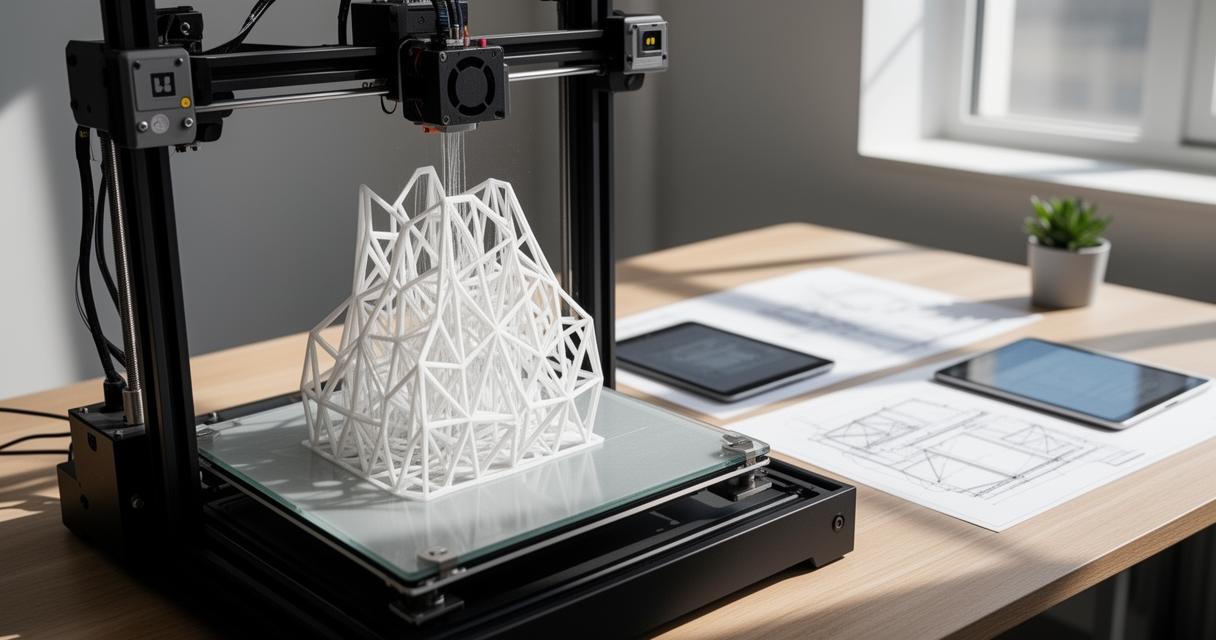
Setting up such a venture requires more than just owning a printer. It demands fluency in 3D design software such as Blender, Tinkercad, and Fusion 360, since these tools allow a designer to translate a client's vision into a printable file. It is worth noting that designs must be watertight, meaning free of gaps or errors in the mesh, as this directly affects print quality and, ultimately, customer satisfaction. Many creators also choose to showcase their portfolios and sell ready-made designs on platforms like Thingiverse, Shapeways, and Etsy, which helps build a reputation before moving into fully custom commissions.
Leveraging client collaboration platforms for tailored artistic creations
Modern collaboration tools have made it far easier to involve clients in the design process without requiring them to understand the technical side at all. A customer might simply describe an idea over a call, and the sculptor translates that into a digital model, sharing renders for approval before committing to a print. This back-and-forth builds trust and often leads to repeat business, referrals, and glowing reviews, all of which are invaluable for a young studio trying to establish itself in a competitive creative market.
Transforming traditional sculpture markets with advanced selective laser sintering techniques
Traditional sculpture-making, with its reliance on clay, plaster, and lengthy casting processes, is being quietly nudged aside by methods that are faster, more precise, and often more affordable. Selective laser sintering allows powdered material, whether nylon, resin, or even certain metals, to be fused layer by layer using a laser, producing intricate details that would be painstaking to achieve by hand. This does not mean traditional craftsmanship is obsolete; rather, it means artists now have another tool in their kit, one that can handle complexity and repetition with remarkable consistency.
Implementing cutting-edge additive manufacturing processes for competitive advantage
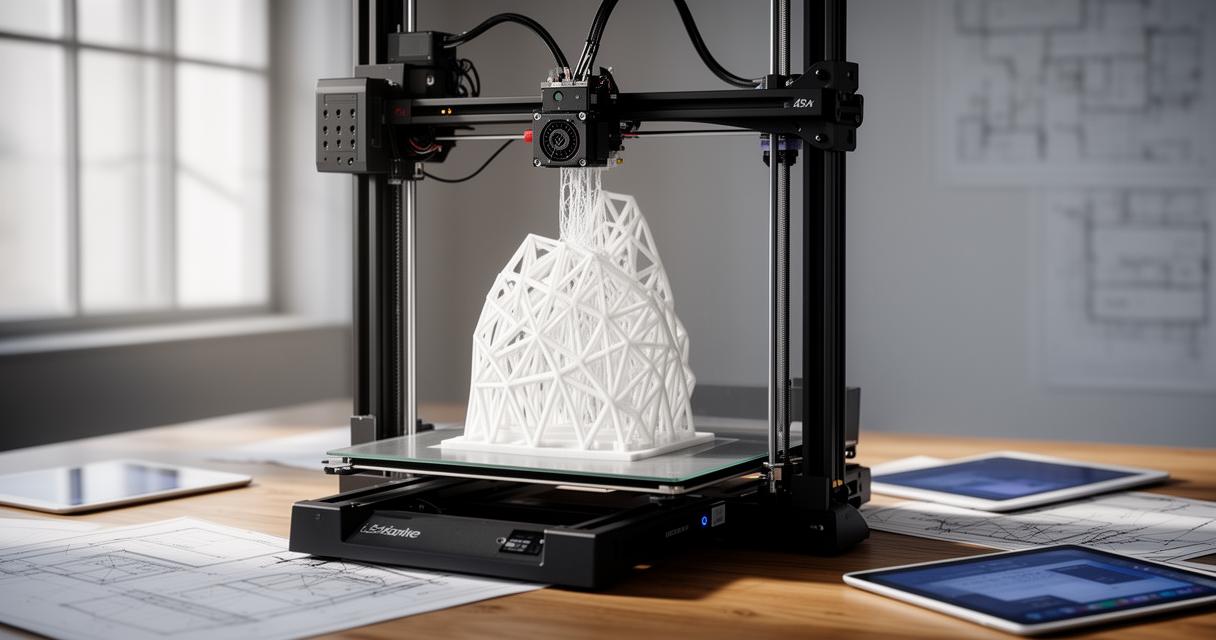
Studios that invest time in mastering additive manufacturing processes often find themselves able to take on projects that would have been financially unworkable using conventional methods. Materials such as PLA and ABS remain popular for everyday prototypes, while resins and metals cater to higher-end commissions, and biodegradable options are increasingly favoured by clients who care about sustainability. Choosing the right printer and genuinely understanding its operation, rather than simply switching it on and hoping for the best, makes an enormous difference to the finished result and the reputation of the business behind it.
Bridging heritage craftsmanship with modern production capabilities
Perhaps the most interesting development is how traditional sculptors are blending old techniques with new capabilities rather than abandoning one for the other. A hand-carved maquette might be scanned and refined digitally before being printed at scale, or a printed base might be finished with traditional patination methods. This hybrid approach respects the heritage of sculpture while embracing the efficiency and precision that modern production offers, giving artisans a genuine edge in a market that increasingly values both authenticity and innovation.
Capturing Market Potential Worth Billions Through Strategic Positioning in the 3D Printing Sector
The numbers behind this industry tell their own story. The global 3D printing market was valued at over 22 billion dollars in 2023 and is projected to reach 55 billion dollars by 2030, growing at a compound annual growth rate of roughly 24 per cent. For sculptors and small manufacturers alike, this growth signals a wealth of opportunity, provided they position themselves wisely within niches that genuinely need their skills rather than trying to compete on every front at once.
Identifying high-demand applications across architecture, retail, and art gallery sectors
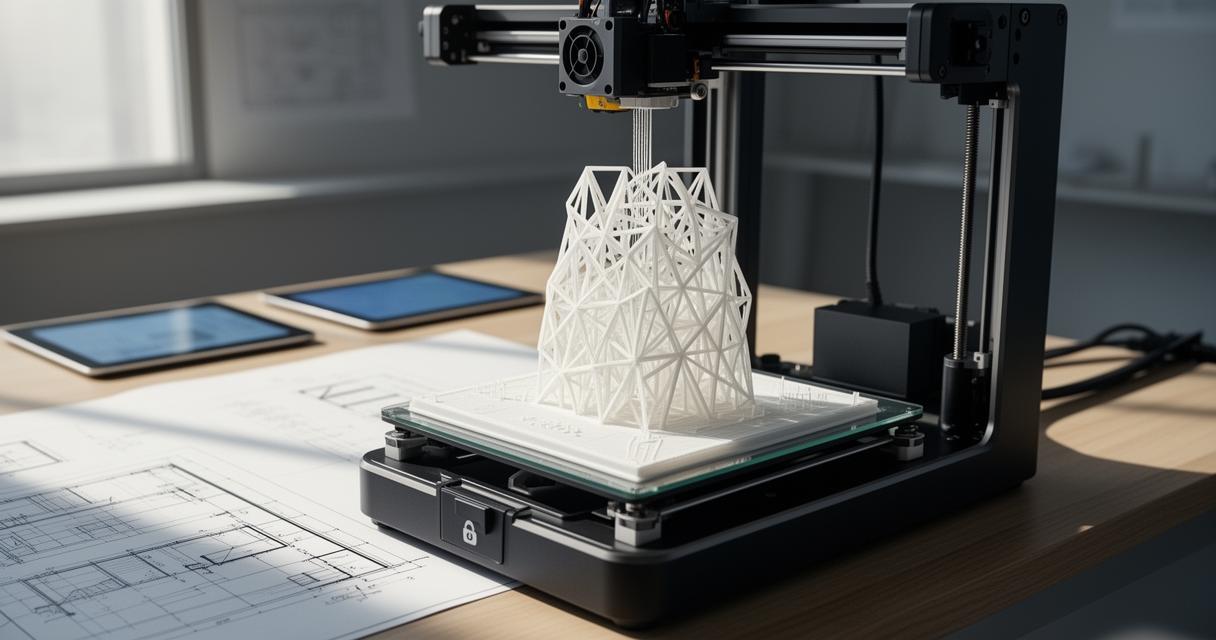
Beyond fine art, there are practical applications that pair beautifully with sculptural expertise. Architectural modelling remains a strong niche, with firms needing detailed physical representations of buildings and landscapes. Retailers increasingly commission custom gifts, souvenirs, and themed merchandise for collectors of pop culture memorabilia, while galleries are curious about limited-edition pieces that blend digital design with tactile presence. Some studios have also found success supplying:
- Custom jewellery and wearable art pieces
- Educational tools and teaching models for schools and museums
- Home decor items that merge sculpture with functional design
These varied applications demonstrate that a sculptor's skill set, once digitised, can stretch far beyond the gallery wall.
Building Scalable Business Frameworks for Long-Term Growth and Profitability
Longevity in this trade depends on building systems that can grow without collapsing under their own success. That means investing in marketing skills alongside technical ones, understanding which materials suit which client budgets, and perhaps enrolling in structured courses, such as those offered by CADD Centre, to formalise knowledge and open doors to wider career opportunities. Sustainability is also becoming a genuine selling point, with recycled materials and waste minimisation appealing to environmentally conscious clients. For those willing to combine artistic sensibility with business discipline, bespoke sculpture creation through 3D printing offers not just a creative outlet, but a genuinely profitable path forward.