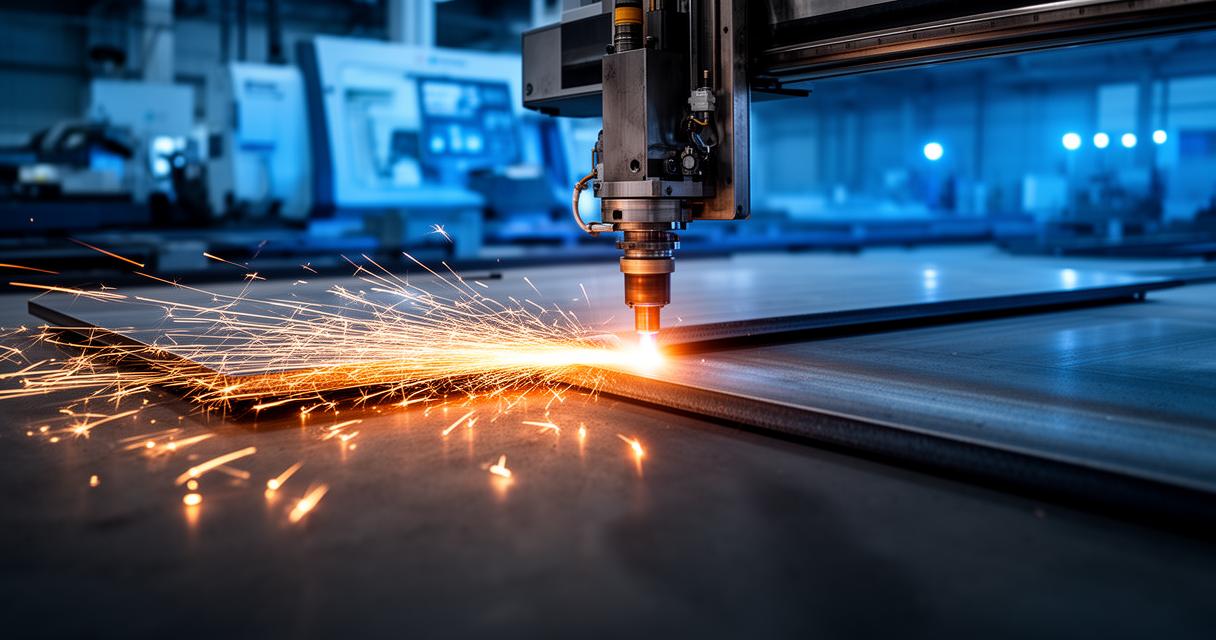
Choosing the right cutting method can make or break a metal fabrication project, and understanding how each technology works is the first step towards getting it right. From heavy shipbuilding yards to precision aerospace workshops, the decision between oxy-fuel cutting and laser cutting often comes down to the thickness of the material, the level of detail required, and the budget available. This article takes a closer look at both processes, along with a nod to plasma cutting, to help you understand which technique suits which job.
Key takeaways
- Oxy-fuel cutting uses a chemical reaction between fuel gas and oxygen to slice through exceptionally thick steel sections, making it ideal for heavy industries like shipbuilding.
- Laser cutting utilizes a high-powered beam to achieve extreme precision and tight tolerances, which is essential for detailed components in sectors like aerospace.
- While oxy-fuel equipment is a cost-effective choice for large-scale structural projects, laser cutting systems represent a significantly higher financial investment.
- Laser cutting offers greater versatility by processing thin metals and non-metallic substrates, whereas oxy-fuel is primarily limited to thick steel.
- Plasma cutting serves as an efficient middle ground, using an electric arc to provide superior speed and better accuracy than oxy-fuel at a lower cost than lasers.
- Professional metalworking facilities often maintain a combination of cutting technologies to match the specific material, thickness, and precision requirements of different projects.
Understanding oxy-fuel cutting: principles and applications
The fundamental mechanism of oxy-fuel cutting
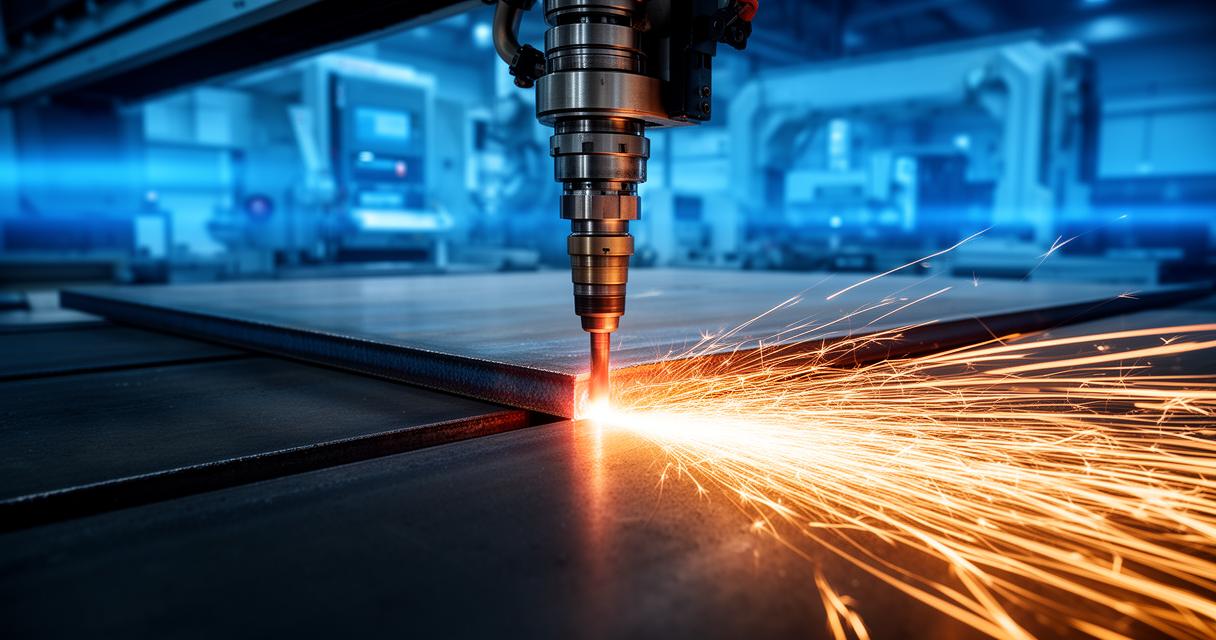
Oxy-fuel cutting, sometimes referred to as flame cutting, relies on a straightforward but highly effective chemical reaction. A torch combines a fuel gas, typically an oxygen-acetylene mixture, with pure oxygen to produce a flame hot enough to heat steel to its melting point. Once the metal reaches that threshold, a concentrated jet of oxygen is introduced, which reacts with the heated material and blows the molten metal away, creating a clean cut through the workpiece. This process has been a mainstay in heavy industry for generations, and companies such as Koike Aronson, with over a century of experience in cutting and welding equipment, have helped refine the torches and machinery that make it possible.
Materials and Thickness Capabilities in Oxy-Fuel Operations
One of the standout strengths of oxy-fuel cutting is its ability to slice through exceptionally thick steel sections that other methods might struggle with. This makes it a natural fit for the construction industry and shipbuilding, where structural beams and hull plates can be several inches thick. The equipment itself, usually built around a torch mounted on CNC cutting machines or manipulated manually, is relatively inexpensive compared with more advanced alternatives, which keeps investment costs low. The trade-off is that the edge finish tends to be rougher, and the overall cutting accuracy cannot match that of more modern techniques, while production speed is generally slower than plasma or laser alternatives.
Laser Cutting Technology: Precision and Versatility in Metal Fabrication
How laser cutting achieves high precision results
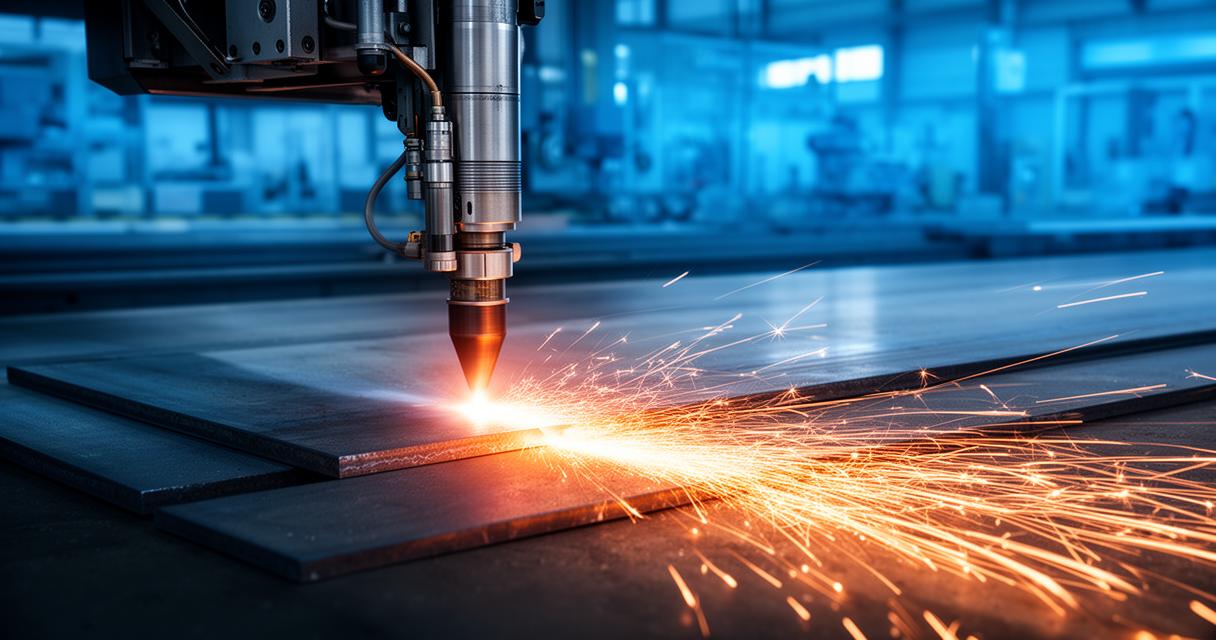
Laser cutting takes a completely different approach, using a high-powered laser beam focused to an extremely fine point to melt, burn, or vaporise material along a precise path. This method can achieve remarkable cutting accuracy, with some machines capable of tolerances as tight as 0.0005 inches, making it the preferred choice whenever exacting standards are non-negotiable. The aerospace sector, along with artistic metalwork and detailed automotive components, benefits enormously from this level of control, since even the smallest deviation can compromise a finished part.
Material Compatibility and Design Complexity with Laser Cutters
Beyond its precision, laser cutting offers impressive material versatility, working effectively on thin metals, plastics, and a range of other substrates that oxy-fuel torches simply cannot handle. It also excels at producing intricate designs with minimal waste reduction concerns, since the narrow beam width means less material is lost during the process. However, this sophistication comes at a price, with laser cutting machines ranging anywhere from around $25,800 to $122,000, a stark contrast to the more modest few thousand dollars typically required for flame cutting equipment. Laser cutting also becomes less effective once material thickness increases substantially, which is where oxy-fuel or plasma methods tend to take over.
Comparing cutting methods: oxy-fuel, laser, and plasma technologies
When to Choose Oxy-Fuel Versus Laser Cutting for Your Project
The decision between these two methods usually hinges on a handful of practical questions. If the project involves heavy industry work, thick steel plates, and a tight budget, oxy-fuel cutting remains a cost-effective and reliable choice, particularly for large-scale structural applications in shipbuilding and construction. On the other hand, when intricate detail, tight tolerances, and clean edge finishes matter more than raw cutting power, laser cutting becomes the obvious candidate, especially for smaller components destined for aerospace applications or precision assemblies.
- Oxy-fuel cutting suits thick, heavy-duty steel sections where cost matters more than finesse.
- Laser cutting suits thin materials and intricate designs where accuracy is paramount.
- Plasma cutting sits between the two, offering speed and adaptability for a broad range of jobs.
The Role of Plasma Cutting in the Modern Metalworking Toolkit
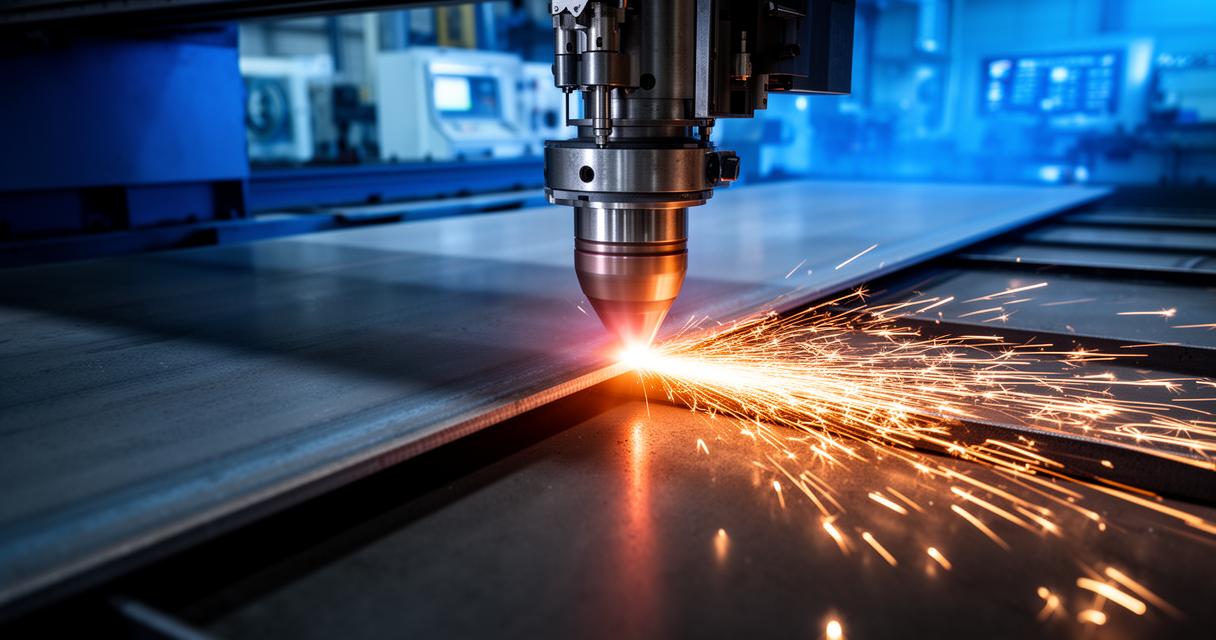
No comparison would be complete without mentioning plasma cutting, which uses an electric arc to convert compressed gas into ionised gas capable of reaching temperatures approaching 40,000 degrees Fahrenheit. This intense heat allows plasma torches to slice through conductive metals with impressive speed and adaptability, making them popular in both the construction and automotive industries. Plasma cutting tends to offer lower initial costs than laser systems while still delivering better precision than oxy-fuel torches, though it does demand proper ventilation requirements and strict safety precautions due to the fumes and intense light produced. It is, however, largely ineffective on non-conductive materials such as wood or plastic, which limits its scope compared with laser cutting's broader material versatility.
Ultimately, metal fabricators rarely rely on a single technology alone. Many workshops keep welding manipulators, positioners, and a mix of cutting machines on hand, switching between oxy-fuel, plasma, and laser setups depending on the demands of each job. Whether you are running a benchtop positioner for smaller components or a tilt turn positioner for bulkier assemblies, understanding the strengths and limitations of each cutting method ensures better cutting quality, smarter use of resources, and ultimately a more efficient production line across construction, automotive, and aerospace applications alike.