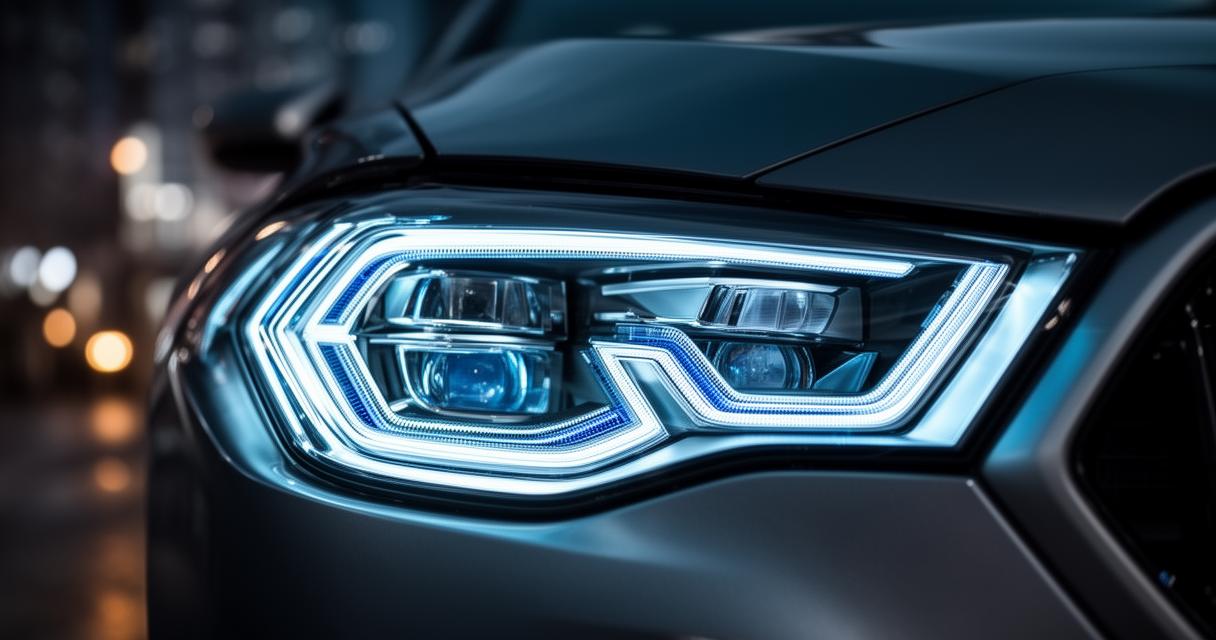
Driving through thick fog or heavy rain can turn even a familiar route into a stressful ordeal, and the humble headlight plays a far bigger role in that experience than most drivers realise. Over the past decade, LED headlights have quietly transformed the way vehicles illuminate the road ahead, offering a blend of brightness, efficiency, and longevity that older halogen lights simply cannot match. Yet as with any technology, there are trade-offs worth understanding before you commit to an upgrade.
At a glance
- LED headlights offer superior brightness, energy efficiency, and a significantly longer lifespan compared to traditional halogen bulbs.
- The instant illumination and durability of LED technology make them an ideal choice for navigating challenging weather conditions like heavy rain and fog.
- Major automotive manufacturers are increasingly adopting LEDs for their design flexibility, aesthetic appeal, and contribution to overall road safety.
- Advanced lighting systems such as matrix and laser LEDs provide sophisticated beam control, though they represent a higher initial financial investment.
- A primary drawback of LED headlights is the intense glare they can create, which may cause visibility issues for oncoming drivers on dark roads.
- Some modern vehicles are replacing dedicated fog lights with daytime running lights to prioritize aerodynamic cooling and reduced manufacturing costs.
- Drivers should consider the trade-offs between modern crisp white light and traditional yellow lighting, the latter being more effective at reducing glare and eye strain in poor visibility.
Understanding led headlight technology and its growing popularity
What Makes LED Headlights Different from Halogen and Xenon Systems
Traditional halogen lights have been the default choice for decades, largely because they are cheap and widely available. However, they consume a considerable amount of energy and often struggle to deliver adequate visibility enhancement in poor weather conditions. Xenon HID lights improved on this somewhat, producing a brighter and whiter beam, but LED technology takes things further still. Rather than heating a filament or gas to produce light, LEDs use semiconductors, which means they reach full brightness almost instantly and generate far less wasted heat. Brightness in this context is measured in lumens rather than watts, and LED units can range anywhere from around 600 lumens for basic applications up to a striking 10,000 lumens for high-performance setups, giving drivers considerably more control over how their car cuts through darkness or murk.
Why major manufacturers like renault, land rover, and mercedes-benz are embracing led technology
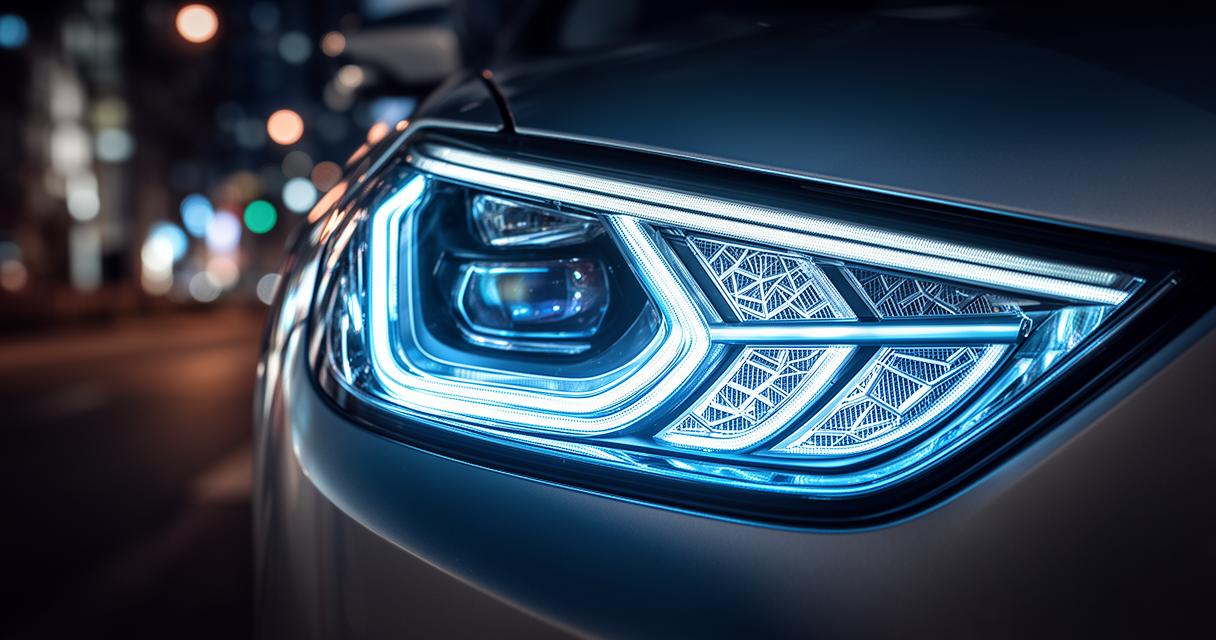
It's no coincidence that brands such as Renault, Land Rover, and Mercedes-Benz have shifted much of their lineup towards LED lighting as standard. These manufacturers, alongside others including Toyota, Lexus, Honda, and Nissan, recognise that customers increasingly expect sharper daytime running lights and headlamps that don't just look modern but genuinely improve safety. The design flexibility of LEDs also allows engineers to create distinctive light signatures, giving each brand a recognisable look on the road while still meeting practical demands around vehicle compatibility and legal compliance.
Key Benefits of LED Headlights for Modern Motorists
Superior visibility, energy efficiency, and extended lifespan
The most obvious advantage of LED headlights is how much further and more clearly they illuminate the road. This becomes particularly noticeable in challenging conditions such as fog, rain, or snow, where every extra metre of visibility range can make a genuine difference to reaction times. Fog lights specifically are built with a beam that cuts off sharply at the top and sit lower on the vehicle than the main headlamps, which helps light up the road surface beneath the fog rather than bouncing straight back into the driver's eyes. Beyond performance, LEDs are remarkably efficient, drawing far less power than halogen bulbs, which translates into modest but real fuel savings over time. Their lifespan is another major selling point, typically running from 10,000 to as much as 50,000 hours, dwarfing the relatively short service life of halogen bulbs. LEDs are also notably resistant to vibration and impact, making them a sound choice for drivers who spend a lot of time on rougher roads.
Advanced options: matrix and laser led headlights explained
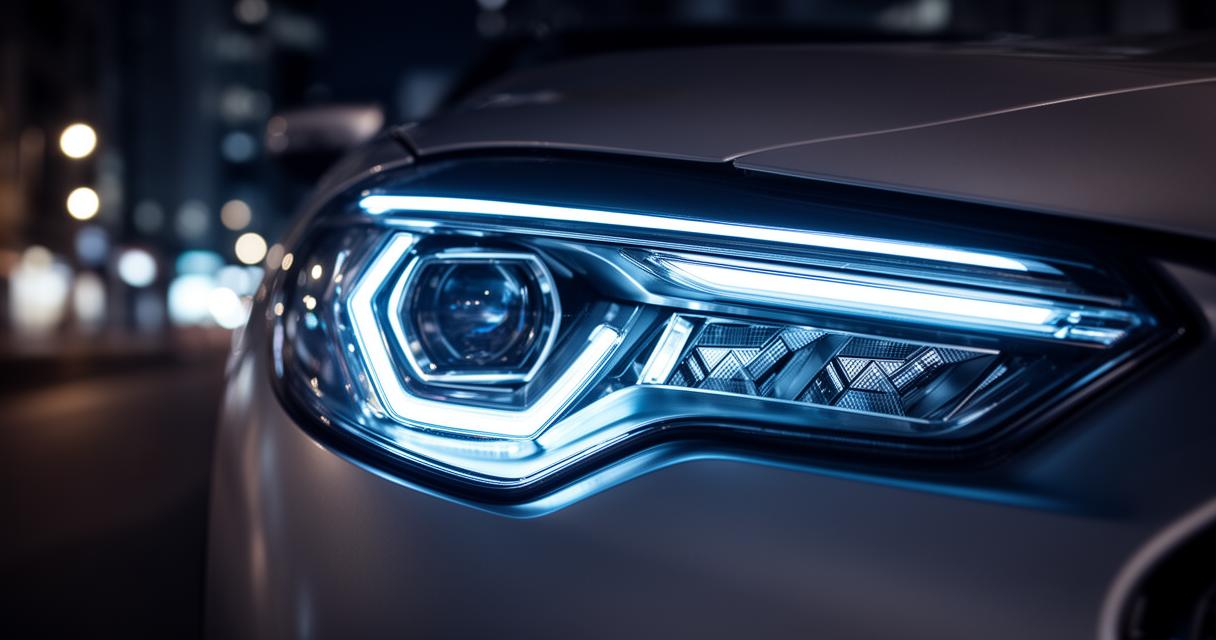
For those wanting even more sophistication, matrix LED systems automatically adjust the beam pattern to avoid dazzling oncoming traffic while still keeping the rest of the road brightly lit. Laser headlights go a step further, offering an exceptionally long-range illumination that's particularly useful on unlit motorways, though standard LED units remain faster to start up and generally more practical for everyday driving. There's also a growing conversation around colour temperature, measured in Kelvin, with amber and yellow fog lights often preferred for their ability to improve contrast and reduce eye strain in fog, while crisp white headlights tend to perform best in clear conditions and offer a distinctly modern aesthetic.
Potential Drawbacks and Safety Considerations of LED Headlights
Higher initial costs and installation expenses
None of these benefits come entirely free of compromise. LED headlights typically carry a higher upfront cost than halogen alternatives, and depending on the vehicle, installation can involve additional expense if the wiring or housing isn't already designed for LED units. Replacement availability can also be patchy for certain older or less common car models, so it's worth checking compatibility before assuming an easy swap. Interestingly, some newer vehicles have done away with dedicated fog lights altogether, relying instead on powerful daytime running lights, partly as a cost-saving measure and partly because designers prefer replacing them with air vents for improved cooling and a sleeker front end.
Addressing Glare Concerns and Their Impact on Road Safety
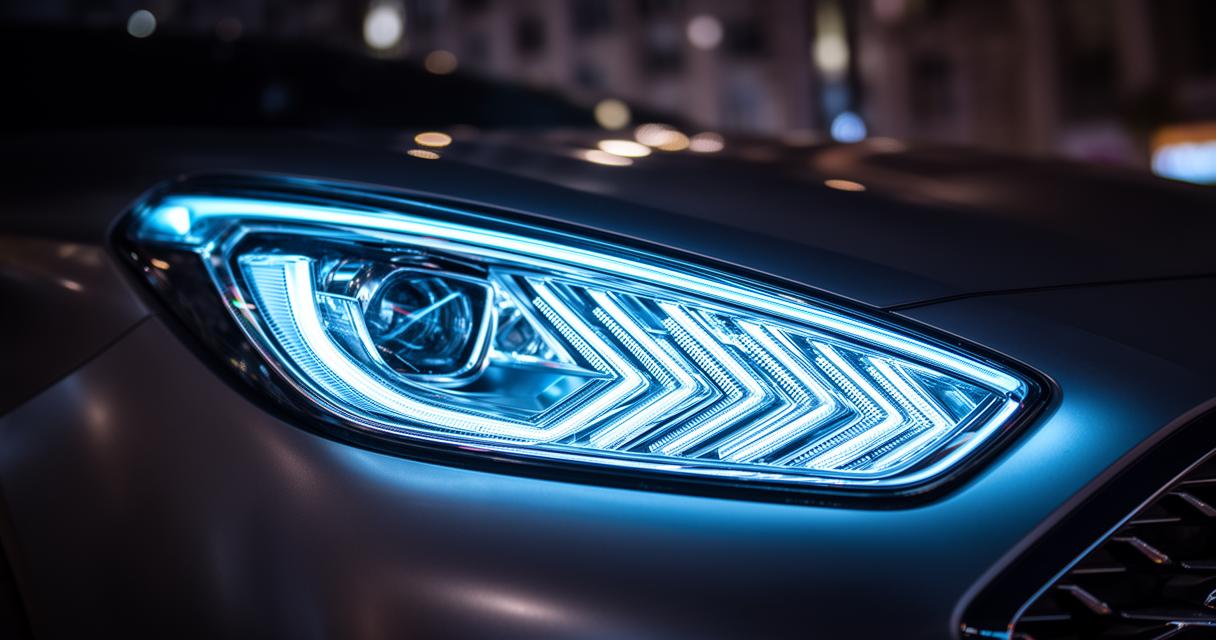
Perhaps the most widely discussed downside of LED headlights is glare. Their intense brightness, while excellent for the driver using them, can be genuinely uncomfortable or even briefly blinding for oncoming motorists, particularly on unlit rural roads. This has led to renewed interest in amber and yellow lighting options, which tend to reduce glare while still offering solid visibility enhancement in fog, rain, and snow thanks to their longer wavelength. That said, yellow lights can feel less effective in clear, dry conditions and may look somewhat dated compared to crisp white beams. Fog lights, whether yellow or white, should always be activated manually and used only when genuinely needed, since leaving them on unnecessarily can dazzle other drivers without adding any real benefit. It's also worth remembering that fog lights are designed to complement, not replace, a vehicle's standard headlights and indicators.
Ultimately, choosing between LED, halogen, or xenon lighting comes down to weighing your typical driving conditions against your budget and preferences. For drivers who frequently contend with fog, rain, or snow, the improved visibility range and energy efficiency of LED fog lights often justify the higher initial outlay, while those seeking a simpler, cheaper setup may still find halogen adequate for occasional use. Whatever you decide, understanding how these systems perform in real-world weather will help you make a safer, more informed choice for your next journey.