Smart lighting has quietly transformed the way we think about our homes, turning something as ordinary as switching on a lamp into a customisable, app-controlled experience. Among the crowded field of connected bulbs, two names consistently rise above the rest: Philips HUE and LIFX. Both promise vibrant colours, seamless smart home integration, and a more efficient way to light your rooms, but choosing between them requires a closer look at what each brand actually delivers. This guide walks through the practical differences to help you decide which system suits your home and budget.
At a glance
- LIFX bulbs offer higher raw brightness, making them ideal for large rooms, whereas Philips HUE excels in natural colour accuracy and subtle, high-quality lighting.
- LIFX connects directly to Wi-Fi for easy setup, while Philips HUE requires a dedicated Bridge using the Zigbee protocol for a more stable mesh network.
- Philips HUE is better suited for extensive home setups due to its cohesive ecosystem of accessories and reliable long-term performance.
- LIFX is often more cost-effective for small-scale projects, but Philips HUE offers greater value for those planning to expand across multiple rooms.
- Both brands provide energy-efficient LED technology, though HUE's advanced automation and scheduling features may lead to greater cumulative energy savings.
- Both systems integrate well with major voice assistants, but Philips HUE is generally considered to have a more sophisticated app interface compared to the simpler, direct control offered by LIFX.
Comparing core features: philips hue vs lifx smart bulbs
At first glance, both ranges appear to offer similar promises: dimmable, colour-changing bulbs that respond to your phone or your voice. Yet the way they achieve this, and the polish of the end result, sets them apart in ways that matter once you live with them day to day.
Brightness levels and colour range: which offers superior ambient lighting?
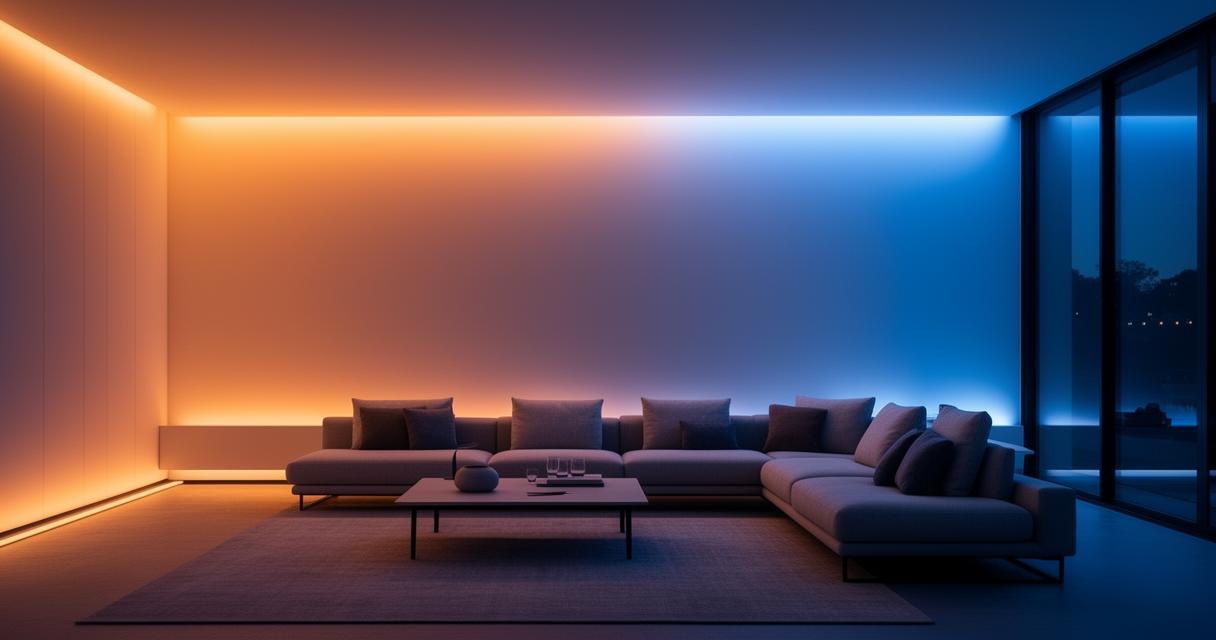
LIFX bulbs tend to edge ahead when it comes to raw brightness, often producing a noticeably punchier output that fills larger rooms with ease. This makes them a strong pick for open-plan living spaces or kitchens where you want a bulb to double as a genuine light source rather than just a mood-setter. Philips HUE, meanwhile, has built its reputation on colour accuracy and subtlety, offering a wide palette of warm whites and rich hues that feel considered rather than gimmicky. If your priority is creating a cosy reading nook or a warm evening glow, HUE's colour rendering tends to feel more natural, whereas LIFX leans towards vivid, statement-making tones that suit accent lighting or entertaining.
Connection Methods and Smart Home Integration: Wi-Fi, Zigbee, and Beyond
One of the most practical distinctions lies in how each bulb talks to your home network. LIFX connects directly via Wi-Fi, meaning you can get started without buying any additional kit. Philips HUE, on the other hand, generally relies on a small hub known as the Bridge, which communicates using the Zigbee protocol. While this adds an extra step and a modest upfront cost, it also tends to result in a more stable connection when you have a dozen or more bulbs running simultaneously, since Zigbee creates a dedicated mesh network rather than competing for bandwidth on your router. For a household just dipping a toe into smart lighting, LIFX's simplicity is appealing, but those planning a whole-house setup often find the HUE ecosystem more dependable in the long run.
Price Analysis and Long-Term Value: Is the Investment Worth It?
Cost is rarely the only factor in a purchasing decision, but it certainly shapes how far your smart lighting ambitions can stretch. Understanding where the money goes, both at checkout and over months of use, gives a clearer picture of true value.
Initial purchase costs: breaking down the price differences
Philips HUE bulbs typically carry a higher price tag, particularly once you factor in the Bridge that many starter kits require. LIFX bulbs, needing no separate hub, often work out cheaper for a first purchase, especially if you only want to convert one or two fittings. However, HUE's broader accessory range, including light strips, outdoor fixtures, and motion sensors, can offer better value for those planning a more elaborate setup across several rooms, since the ecosystem is designed to expand cohesively rather than as a collection of standalone gadgets.
Energy consumption and running costs: calculating your savings over time
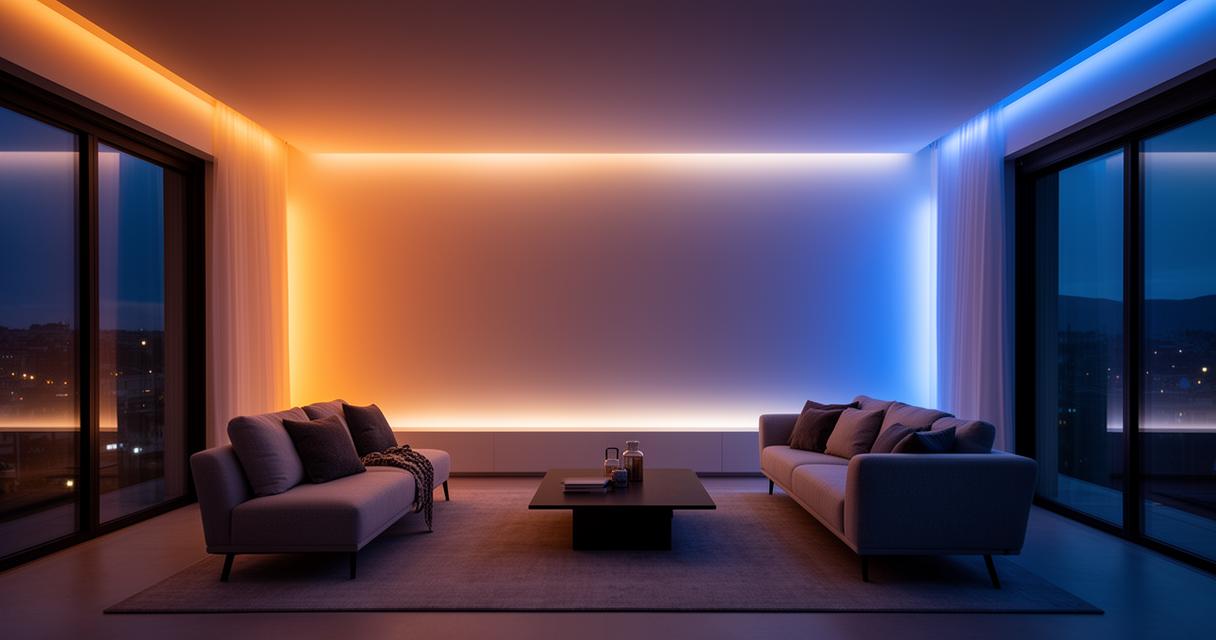
Both brands use LED technology, so neither will send your electricity bill soaring, but there are subtle differences worth noting. LIFX bulbs, being generally brighter, can draw slightly more power when running at full output, though this is often offset by the fact you may need fewer bulbs to light a space adequately. Philips HUE's efficiency shines through in its scheduling and automation features, which encourage smarter usage patterns, such as dimming lights automatically when a room is unoccupied. Over a year, the difference in running costs between the two brands is modest, but the cumulative savings from thoughtful automation can be more significant than the wattage figures alone suggest.
User Experience and Smart Home Compatibility: Making the Right Choice
Beyond the technical specifications, the day-to-day experience of living with these bulbs often tips the balance for most buyers. How intuitive is the app? Does it play nicely with the voice assistant you already use? These questions matter more than a spec sheet ever could.
App Control and Voice Assistant Support: Google Assistant, Apple HomeKit, and Alexa Integration
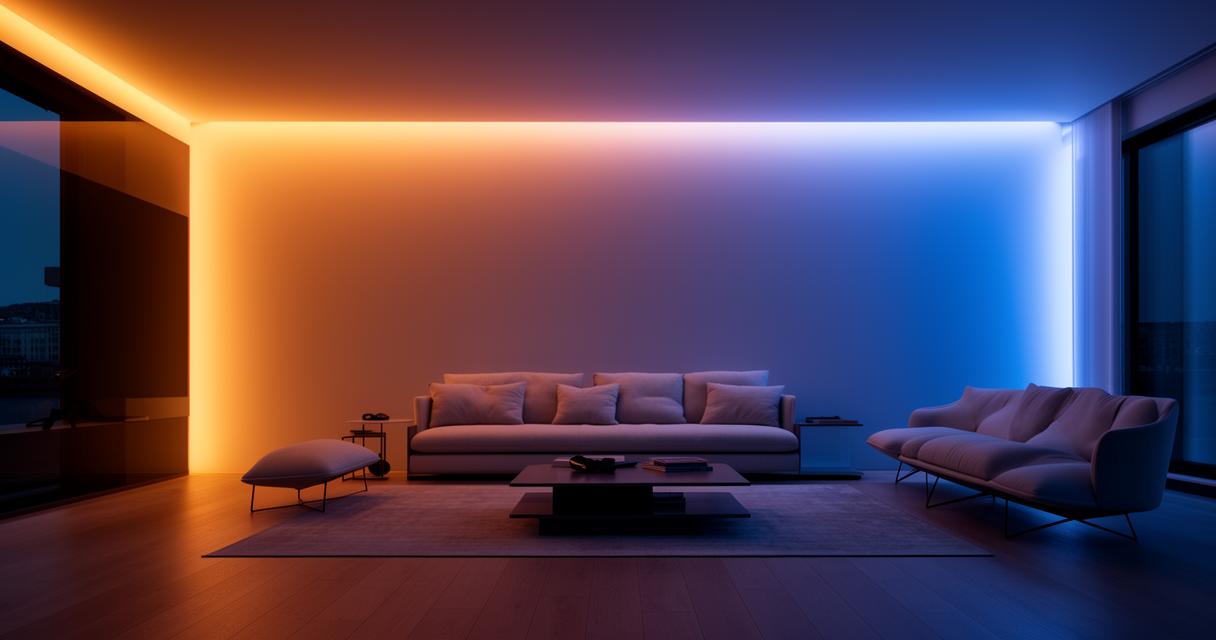
Both Philips HUE and LIFX offer robust compatibility with the major voice ecosystems, including Google Assistant, Apple HomeKit, and Amazon Alexa, so switching between platforms is rarely a dealbreaker. HUE's app is often praised for its polish and depth, offering detailed scene creation, scheduling, and geofencing that automatically adjusts lighting based on your location. LIFX's app is generally considered simpler and more immediate, appealing to users who want quick adjustments without wading through layers of menus. For households already invested in Apple's ecosystem, HUE's longstanding HomeKit support gives it a slight edge in reliability and feature depth.
Real-World Performance: Quality of Light and Customer Satisfaction Reviews
When it comes to everyday satisfaction, reviewers consistently highlight the dependability of both systems, though with different strengths. HUE bulbs are frequently praised for their consistent colour temperature and smooth dimming, qualities that matter enormously for anyone sensitive to flickering or harsh light. LIFX earns strong marks for its punchy brightness and the fact that it requires no additional hardware, making it a favourite among renters or those wary of committing to a larger ecosystem. Ultimately, the right choice often comes down to whether you value a slightly steeper investment in a more integrated smart home, or prefer the immediacy and flexibility of a simpler, hub-free setup.